⎯⎯⎯    BIO2CLEAN      ⎯⎯⎯

Projects & References

❈ ❈ ❈

LIFE PFASTER

European collaboration on PFAS remediation

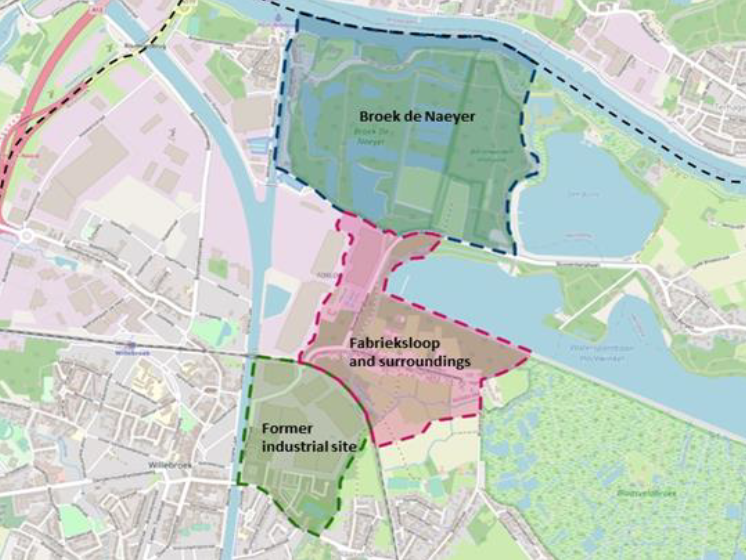
LIFE PFASTER project area in Willebroek and the Broek de Naeyer nature reserve.

LIFE PROJECT

An area-wide approach to PFAS contamination

As part of the European LIFE PFASTER project, eleven partners are working together on an integrated, area-wide approach to PFAS contamination in Willebroek and the Broek de Naeyer nature reserve.

Historical contamination around the former De Naeyer paper mill extends beyond the original industrial site. The presence and spread of PFAS in soil, groundwater, surface water and sediment call for a system-wide approach that brings together remediation, risk management and nature conservation.

In addition to characterising the contamination, its pathways and associated risks, the project evaluates a range of innovative remediation techniques and nature-based solutions under real-world conditions.
LIFE PROJECT

bio2clean’s contribution

Within LIFE PFASTER, bio2clean helps design, implement and evaluate nature-based remediation approaches, with a particular focus on phytoremediation and the interactions between plants and their associated microorganisms.

Unlike many organic contaminants, PFAS are highly persistent. When applying phytoremediation to PFAS contamination, the primary focus is therefore on the potential for uptake, retention, removal and limiting further spread.

Through a range of pilot trials, we investigate which plant species and plant–microorganism systems can be used for these purposes and under what conditions they can work effectively enough.

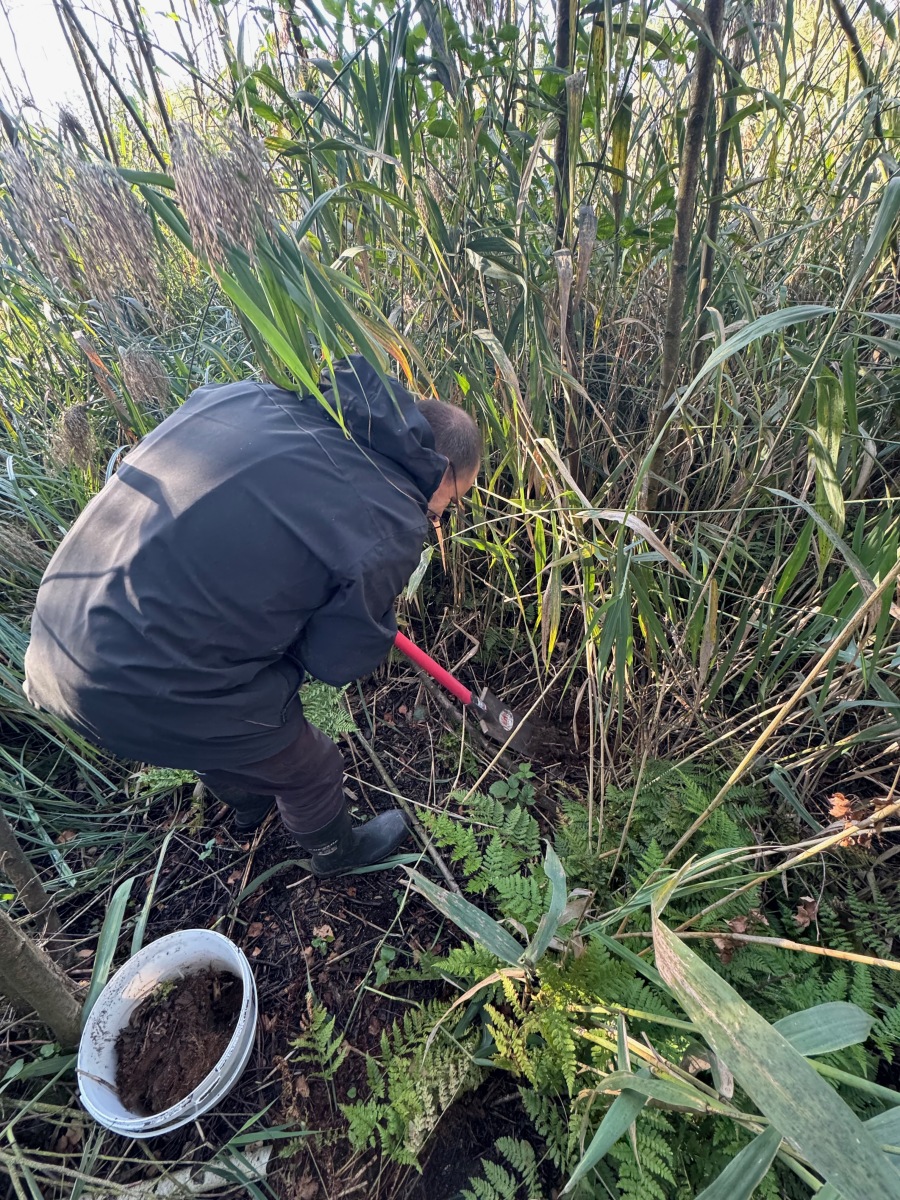
Phytoremediation of PFAS-contaminated soils

A range of plant species and nature-based remediation approaches are being evaluated in the Broek de Naeyer nature reserve.

Alongside PFAS uptake and distribution within plants, we examine the interactions between plants, their associated microorganisms and the soil. We also investigate how site-specific conditions affect the development and functioning of these systems.

In collaboration with Novobiom, we assess the potential benefits of combining phytoremediation and mycoremediation.

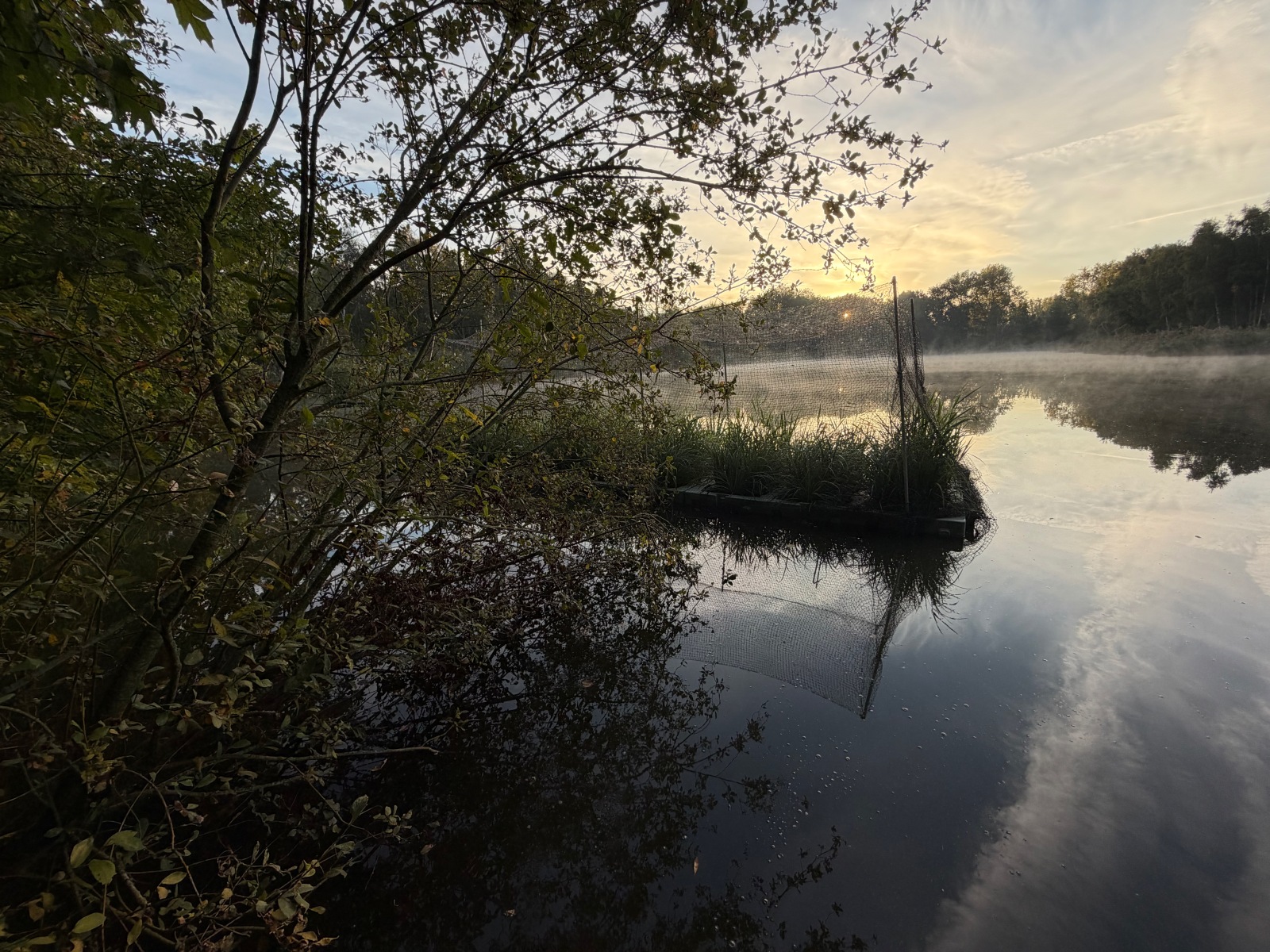
Constructed Floating Wetlands (CFW's)

Constructed Floating Wetlands

In addition to land-based applications, bio2clean is exploring the potential of floating vegetation systems known as Constructed Floating Wetlands (CFWs) for managing PFAS in surface water.

In these systems, plant roots grow directly into the water column. This creates a zone where the water, plant roots and associated microbial communities come into contact.

A range of pilot trials are used to evaluate plant development, PFAS uptake and retention, and the influence of the different system configurations under study.

The results are intended to clarify how these systems could be used and what conditions would need to be met as part of an integrated approach to PFAS-contaminated water systems.
Scientific evidence and monitoring

The presence of PFAS in plants does not, on its own, demonstrate effective remediation. The assessment must also consider further spread, distribution across different environmental compartments and the management of PFAS-containing biomass.

At bio2clean, we therefore use a multiple lines of evidence approach, assessing complementary sets of measurements together.

By combining chemical analyses with information on plant development, root growth and other relevant system parameters, we build a better understanding of how nature-based remediation solutions work.

This approach is consistent with the principles of the Code of Good Practice for Phytoremediation, which focuses on site-specific feasibility, design, installation, management and monitoring.

From pilot research to area-wide application

The LIFE PFASTER pilot trials are intended to provide a clearer picture of the effectiveness and limitations of the techniques under study, as well as the conditions needed for their use.

This knowledge can be used to further optimise the systems and assess the potential for scaling them up and integrating them into an area-wide remediation strategy.

The knowledge and practical experience gained may also be relevant in the longer term to other PFAS-contaminated areas in Flanders and Europe.

Collaboration and funding

LIFE PFASTER is coordinated by OVAM and carried out in collaboration with the Flemish Environment Agency (VMM), the Research Institute for Nature and Forest (INBO), VITO, KU Leuven, the University of Antwerp, the Province of Antwerp, Novobiom, Envisan, TAUW and bio2clean.

The project started in autumn 2024 and runs for five years. The total project budget is €4,387,598, of which 60% is co-funded by the European Union through the LIFE programme.

Further information

Would you like to know more about our approach or the possible applications of nature-based remediation solutions? Please feel free to contact our team.

LIFE PFASTER